A safer, faster way to provide the right medicines—right when patients need them
When a patient is hospitalized, families often worry about whether medicines will be given on time and accurately. At National Taiwan University Hospital (NTUH), the Department of Pharmacy has been working to strengthen medication safety and reduce delays by redesigning how inpatient medicines are supplied.
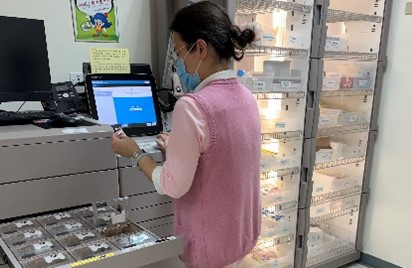
A key part of this transformation is the introduction of Automated Dispensing Cabinets (ADCs)—often described as smart medication cabinets—installed directly in clinical units. This helps the care team access medications more promptly while building safety checks into everyday workflow.
Why We Needed a New Approach
NTUH previously supplied inpatient medications using a daily Unit Dose Distribution (UDD) model. Because inpatient prescriptions can change frequently, this resulted in about 30% of medications being returned, leading to avoidable workload and inefficiency.
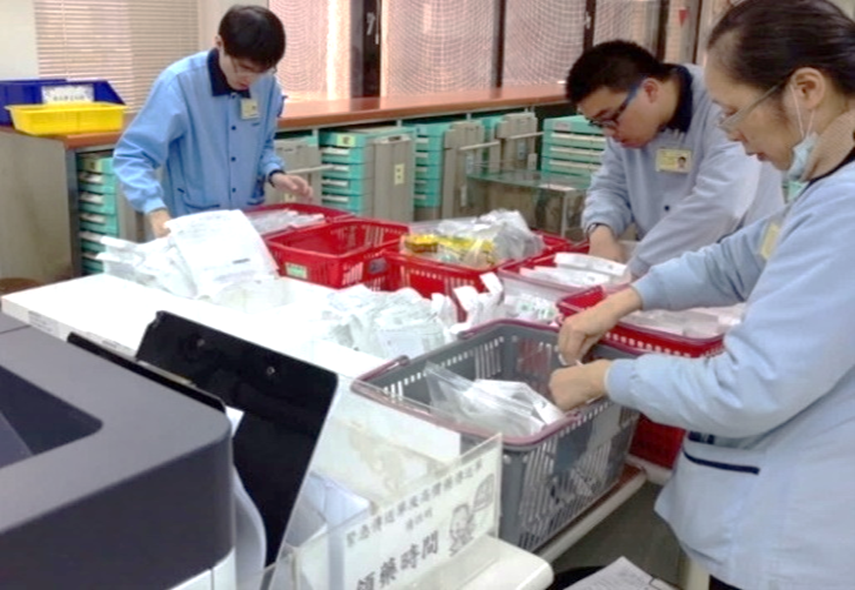
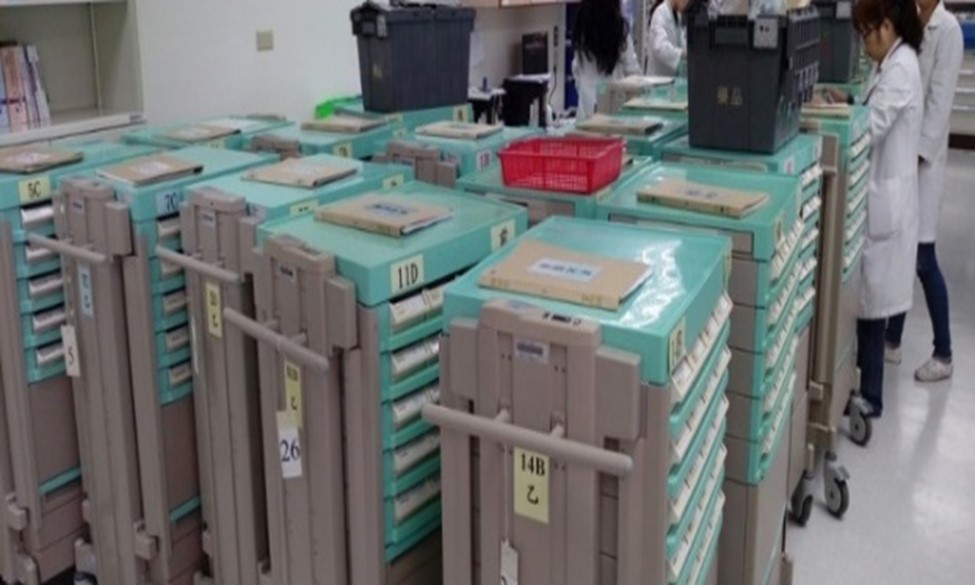
Under the traditional delivery process, after a physician entered an order, medications should be transported by staff from the pharmacy to the ward. When urgent needs occurred, wards often had to repeatedly request medications—interrupting frontline clinical work of the pharmacists and increasing additional labor costs.
To move toward a closed-loop medication management system and better protect patient medication safety, NTUH introduced ADCs to improve the timeliness and accuracy of medication access and to reduce unnecessary dispensing and medication returns.
What Is an Automated Dispensing Cabinet (ADC)?
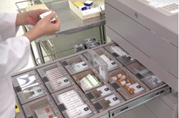
An Automated Dispensing Cabinet (ADC) is a secure, computerized medication cabinet located in a clinical unit. Medications are stored in a controlled system—typically one medication per compartment—and access is managed according to the physician’s orders.
At the correct administration time, nurses can retrieve only the medications that have been reviewed and verified by pharmacists for that time point. This helps ensure patients receive the right medication at the right time, supported by clear verification and management mechanisms.
This workflow also reduces unnecessary dispensing work and lowers the extra time and labor associated with medication returns in traditional delivery models.
Our Goal: Step-by-Step Deployment Across Inpatient Wards
This project aims to progressively install ADCs across inpatient wards. Through multidisciplinary collaboration, NTUH is introducing smart technology to improve healthcare quality and strengthen medication safety.
Milestones: From Pilot to Hospital-Wide Transformation
- 2018 — Pilot success (4 wards): NTUH successfully implemented ADCs in four pilot wards. This is the first case in the country where the ADC system has been successfully applied to all types of prescriptions, covering over 80% of medication needed—and proving suitable for both ICU and general wards.
- 2019 — External recognition: The project received strong affirmation from external quality-improvement competitions and reviewers.
- 2020 — Second brand trial & broader rollout: NTUH completed a rental trial of a second brand of ADCs and accumulated integration and operational experience. A multi-year procurement project was launched in September 2020, and is expected to run from 2021 to 2023.
- 2021–2023 — Accelerated installation, ahead of schedule: Starting September 2021, NTUH began installation with 10 cabinet units, completed 18 units in 2022, and completed 23 units in 2023.
2023 — Sustainability award: NTUH’s Department of Pharmacy received the Taiwan Sustainable Action Award (Non-profit category) for the “Precision and Lean Medication Supply System” (Silver Award)—highlighting streamlined medication management processes and strengthened governance to protect patient safety.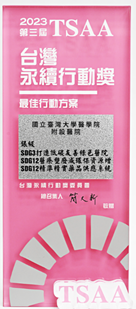
- 2024 — Over 80% ward coverage: NTUH completed installation of 15 cabinet units as scheduled. With over 80% of inpatient wards now equipped, NTUH will continue deployment toward full hospital-wide coverage—advancing innovation and smart healthcare.
National Recognition and Benchmark Impact
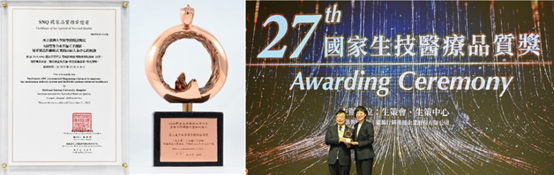
NTUH adopted a nation-leading full medication-order integration model, achieving the largest deployment scale and prescription coverage nationwide. The project received SNQ certification and a Bronze Award in the National Biotechnology and Medical Care Quality Awards, and NTUH has become a learning benchmark—four medical institutions visited NTUH in 2024 to study this model and learn our experience.